+++ Subject to availability, orders received by us by 16th December will be delivered within Germany in time for Christmas Eve. We will be closed for the winter break from 24th December 2025 to 2nd January 2026 inclusive. +++

Gyokuro Tonbo - Organic Japanese Green Tea

Gyokuro Tonbo - Organic Japanese Green Tea

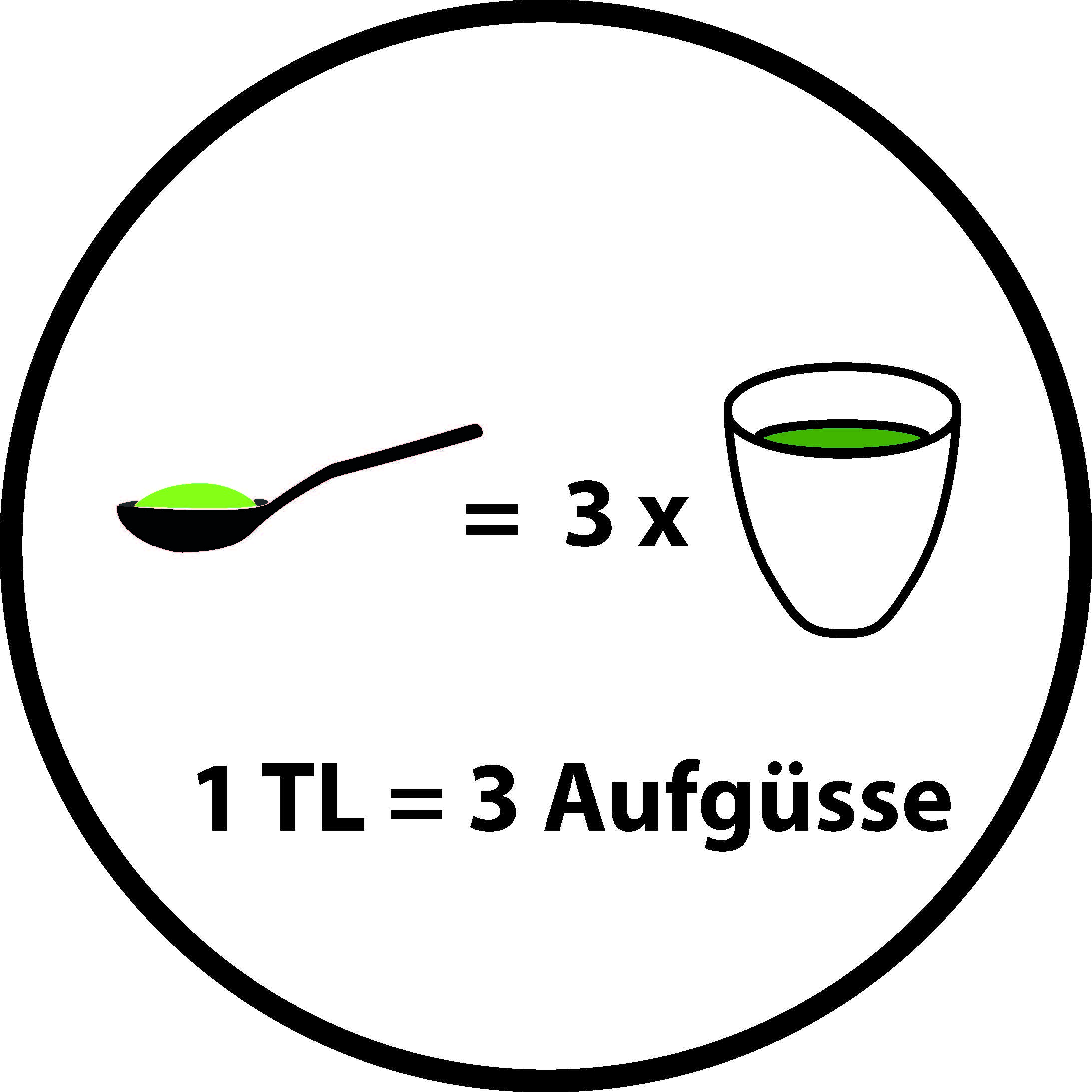
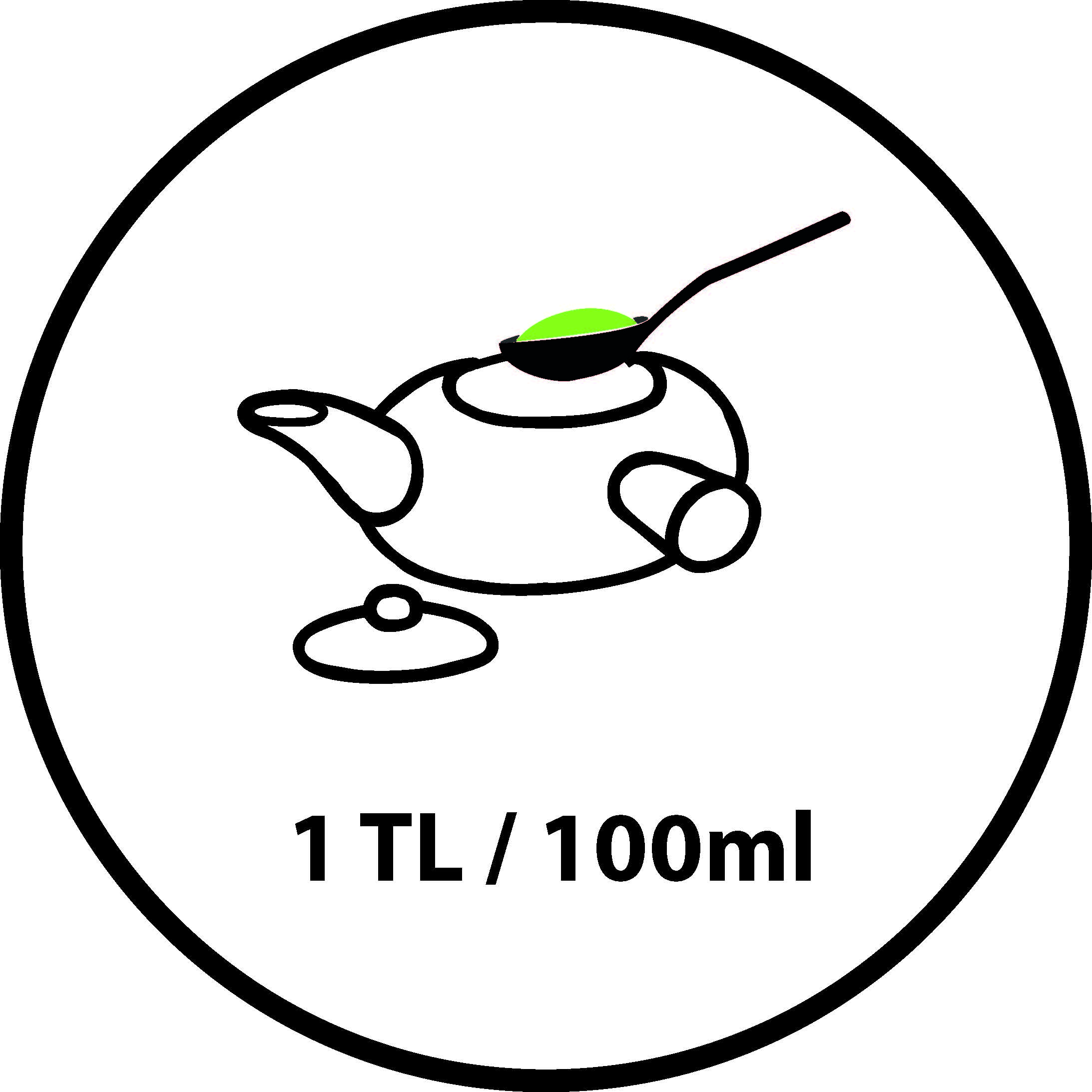
Dosage 1 TL (gestr.-geh.)
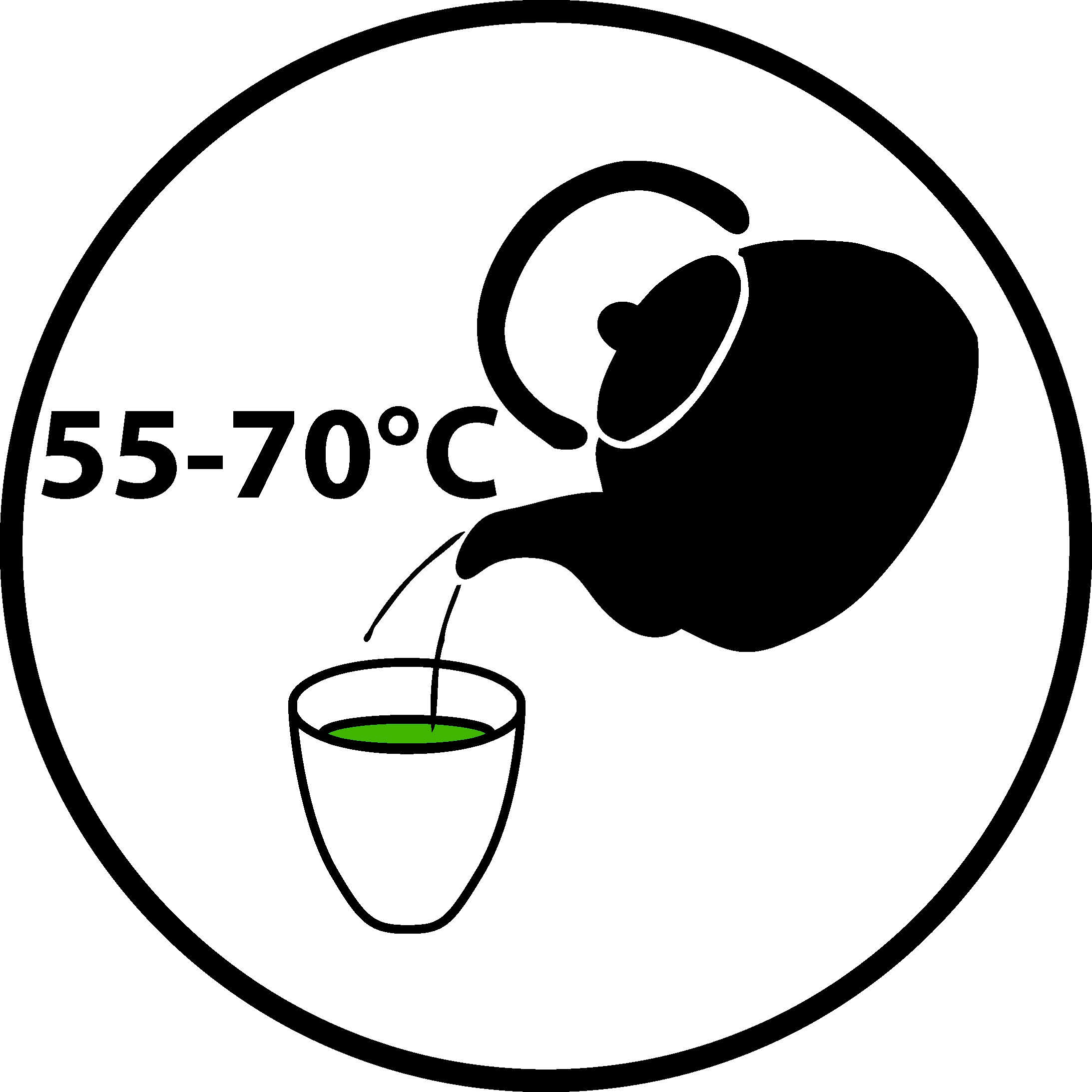
Temperature 123 55-70°

Infusions 3

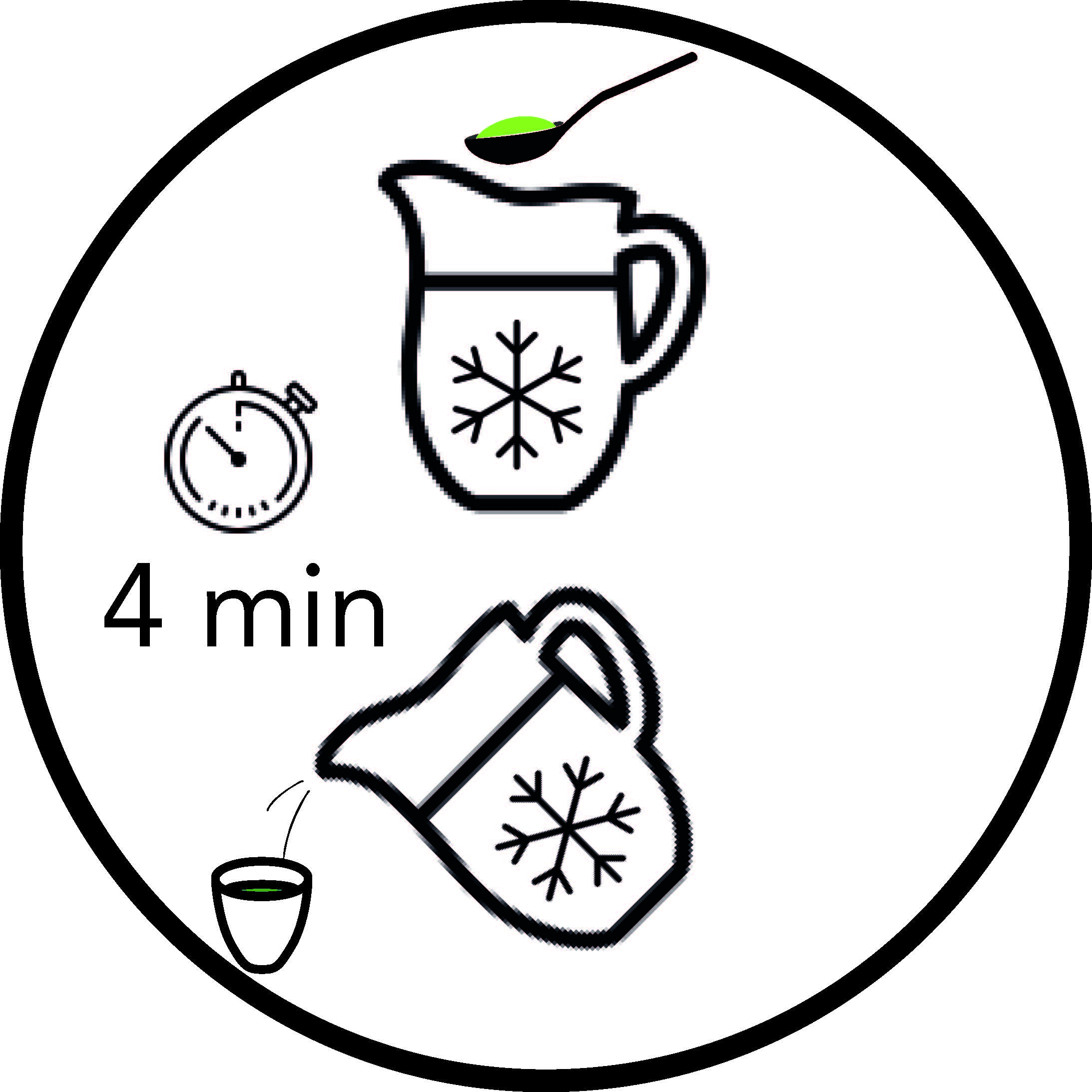
Cold infusions

Tonbo = Japanese for "dragonfly"

Thanks to slightly more intensive steaming and drying, this gyokuro is particularly rich in extracts. This is reflected in a beautiful green colour in the cup and a spicy, warm aroma, making the tea a wonderfully full-bodied treat. 

 The tea from the Sae Midori cultivar is grown in the highlands of Kagoshima, and the tea bushes are harvested only once a year at the end of April. In two stages, the tea plants are shaded for a total of three weeks before harvesting and only lightly steamed (Asamushi). 

 Gyokuro 

 Organically grown gyokuro is a rarity, as the tea plants are particularly susceptible to pests due to the heavy shading. Extreme care and a great deal of experience are therefore essential for cultivation. 

However, the effort is rewarded with a very distinctive, complex aroma. Gyokuro is often described as the master class of Japanese green tea cultivation. 

Preparation 

The classic method: 

Gyokuro is traditionally prepared very intensively with 6-7g of tea leaves per 100ml, water heated to 40-55°C and a steeping time of approx. 2 minutes. This produces a tea with an incredibly dense, full-bodied aroma and a very pronounced sweetness. 

Our recommendation: 

For a full but slightly lighter aroma, use 3-4g of tea leaves (a heaped teaspoon) per 100ml, water at 55-60°C and a steeping time of approx. 1.5 minutes. The second infusion then only steeps for approx. 30 to 45 seconds at 60°C. For the third infusion, the steeping time can be extended to one minute. 

Tip: Try a cold brew!

The sweet aromas are particularly pronounced in cold infusions. To make a cold brew, add 3-4g of tea leaves to 100ml of cold water and steep for at least 5 minutes. In warm weather, you can also replace some of the cold water with ice cubes and serve in a wine or champagne glass. 

Storage 

To best preserve the valuable aromas and ingredients of the tea, please seal the bag tightly and store in a cool, dark place.

Properties

Ingredients: 100%Gyokuro(Green Tea) from organic cultivation
Origin: Japan -Kagoshima
Degree of steaming: Chumushi- mormal steaming
Dregree of shading: Full shade

Green tea preparation instructions

Grüntee Zubereitung

Prepare

Prepare a cup for each person that has a capacity of 80 to 100 ml. Allow the boiled water to cool to 80° to 60°C, depending on the type. To do this, either put the water in a cooling bowl or pour it directly into the cups to cool, which will also preheat them.

Grüntee Zubereitung

Dose

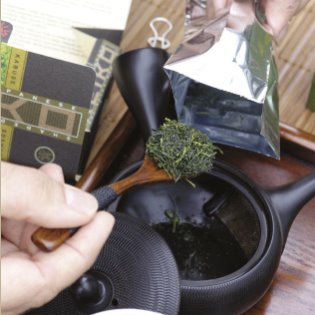
Put a level teaspoon of tea per person into a clay pot. Pour one cup of water per person over the leaves. Allow the first infusion to brew for a maximum of 30 to 60 seconds.

Grüntee Zubereitung

Pour

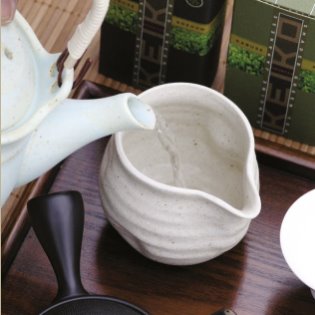
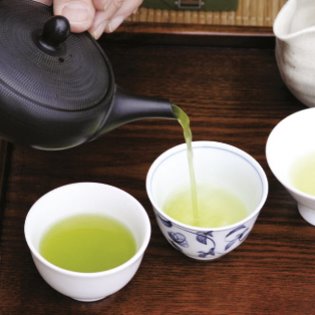
If the tea is to be served to several people, first pour a little tea into each cup and then fill the cups in reverse order. This way, the tea will be the same strength in all cups. The pouring movements gradually give the tea the right green color. Pour out the last "golden" drops and prevent the tea from brewing any further.

Grüntee Zubereitung

Enjoy

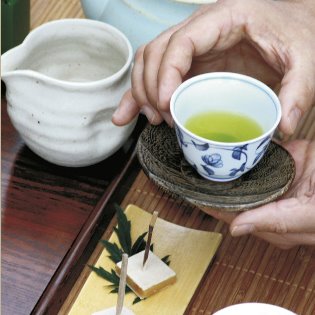
Serve the tea fresh. In Japan, a small sweet treat is often served with unsweetened tea. For further infusions, pour water over the tea leaves again. Only allow to steep for about 15 seconds, as the leaf has already swollen and the ingredients are released more quickly. Distribute quickly all around.

More information on green tea preparation

Shimodozono International GmbH
Strothestrasse 50
49356 Diepholz
Germany
Phone: 05441-9959560
Fax: 05441-9959569
E-Mail: info@keiko.de

0 of 0 reviews

Average rating of 0 out of 5 stars

Leave a review!

Share your experiences with other customers.


Green Tea Pesto

Green tea leaves contain many valuable active ingredients - even after they have been infused several times. So why not further utilise the delicate, aromatic tea leaves?

Mizudashi Cold Brew

Lively green, soothingly mild and refreshing: Learn how to prepare the green tea cold brew quickly and easily!

Wir sind im Team Theanin

Denn diese unscheinbare Aminosäure macht aus einem einfachen Heißgetränk einen Genuss, der nicht nur den Gaumen streichelt, sondern auch Körper, Geist und Seele.

Similar items

%
Tip
New

Average rating of 5 out of 5 stars

Gyokuro Set 2025
Get all three gyokuros from the 2025 harvest at a special price!  The set includes one pack each of:  Gyokuro Chidori, 50g Gyokuro Tonbo, 40g Gyokuro Tsuru, 40g  As well as a ‘Tasting Notes’ journal in which you can record your tasting experiences!

€126.00* €140.00* (10% saved)
New

Average rating of 5 out of 5 stars

Gyokuro Chidori- Organic Japanese Green Tea
Chidori = Japanese for ‘plover’ Enjoy a gyokuro with dark, silky, needle-shaped leaves, offering fresh green Ooika aromas and a harmonious balance of delicate fruity spice and refined sweetness. The tea from the Yabukita cultivar is grown in the highlands of Kagoshima, and the tea bushes are harvested only once a year at the beginning of May. In two stages, the tea plants are shaded for a total of three weeks before harvesting and only lightly steamed (Asamushi). Gyokuro  Organically grown gyokuro is a rarity, as the tea plants are particularly susceptible to pests due to the heavy shading. Extreme care and a great deal of experience are therefore essential for cultivation. However, the effort is rewarded with a very distinctive, complex aroma. Gyokuro is often described as the master class of Japanese green tea cultivation. Preparation The classic method: Gyokuro is traditionally prepared very intensively with 6-7g of tea leaves per 100ml, water heated to 40-55°C and a steeping time of approx. 2 minutes. This produces a tea with an incredibly dense, full-bodied aroma and a very pronounced sweetness. Our recommendation: For a full but slightly lighter aroma, use 3-4g of tea leaves (a heaped teaspoon) per 100ml, water at 55-60°C and a steeping time of approx. 1.5 minutes. The second infusion then only steeps for approx. 30 to 45 seconds at 60°C. For the third infusion, the steeping time can be extended to one minute. Tip: Try a cold brew!The sweet aromas are particularly pronounced in cold infusions. To make a cold brew, add 3-4g of tea leaves to 100ml of cold water and steep for at least 5 minutes. In warm weather, you can also replace some of the cold water with ice cubes and serve in a wine or champagne glass. Storage To best preserve the valuable aromas and ingredients of the tea, please seal the bag tightly and store in a cool, dark place.

Content: 50 g (€76.00* / 100 g)

€38.00*

Available, delivery time: 1-3 working days (in Germany)

New

Average rating of 5 out of 5 stars

Gyokuro Tsuru - Organic Japanese Green Tea
Tsuru = Japanese for ‘crane’ Cultivating organic green tea as gyokuro in full shade is an art that requires special dedication and, in the best case, is rewarded with a tea like this: The long, shiny dark green needles exude a fruity aroma and the infusion enchants with a round, complex umami, velvety-soft texture and long, sweet finish. The tea from the Sae Midori cultivar is grown in the highlands of Kagoshima, and the plants are harvested only once a year at the end of April and only lightly steamed (Asamushi). Before the harvest the tea plants are shaded for a total of three weeks In two stages. Gyokuro Organically grown gyokuro is a rarity, as the tea plants are particularly susceptible to pests and diseases due to the heavy shading. Extreme care and a great deal of experience are therefore essential for cultivation. However, the effort is rewarded with a very distinctive, complex aroma. Gyokuro is often described as the master class of Japanese green tea cultivation.  Preparation  The classic method: Gyokuro is traditionally prepared very intensively with 6-7g of tea leaves per 100 ml, 40-55°C hot water and a steeping time of approx. 2 minutes. This produces a tea with an incredibly dense, full-bodied aroma and a very pronounced sweetness. Our recommendation: For a full but slightly lighter aroma, use 3-4g of tea leaves (a heaped teaspoon) per 100ml, water heated to 55-60°C and a steeping time of approx. 1.5 minutes. The second infusion should then only steep for approx. 30 to 45 seconds at 60°C. For the third infusion, the steeping time can be extended to one minute. Tip: Cold brew The sweet aromas are particularly pronounced in cold brew. To make cold brew, add 3-4g of tea leaves to 100ml of cold water and steep for at least 5 minutes. In warm weather, you can also replace some of the cold water with ice cubes and serve in a wine or champagne glass.  Storage To best preserve the valuable aromas and ingredients of the tea, please seal the bag tightly and store in a cool, dark place. 

Content: 40 g (€142.50* / 100 g)

€57.00*

Available, delivery time: 1-3 working days (in Germany)

Average rating of 5 out of 5 stars

Shincha Sae Midori 2025 - Organic Japanese Green Tea
New in the KEIKO Shincha family: a sweet and aromatic Asamushi tea made from 100% Sae Midori with a silky-smooth sweetness, a full-bodied flavour with a long finish that is somewhat reminiscent of Gyokuro.Cultivation and processing Shincha - the ‘new tea’ heralds the start of the tea year every spring. The first tea from the fine, particularly aromatic leaf tips, which are harvested in the subtropical climate of Kagoshima as early as mid-April. Kabusecha is a green tea that is produced by shading the tea plants for 7-10 days before harvesting, which results in a high content of chlorophyll and other active ingredients and a low level of bitter substances. Their characteristic ‘shade flavour’ is called ‘ooika’. Early harvests such as Shincha Sae Midori also have a particularly high theanine content, which is noticeable in the sweet flavour and is particularly evident in the Sae Midori cultivar. Shincha Sae Midori is an asamushi tea, i.e. only lightly steamed. The leaves are therefore dark green, shiny and needle-shaped. The infusion is light green in the cup  Preparation Due to the lower steaming, the tea extract dissolves somewhat more slowly than with intensively steamed teas - we recommend an infusion temperature of around 65°C and an infusion time of 70 seconds for the first infusion. For the second infusion, a brewing time of around 30 seconds is sufficient, after which it can be extended again. This tea also develops its wonderfully full flavour as a cold infusion after a slightly longer infusion time - the dosage can be increased depending on taste. Cultivar: 100% Sae Midori (Asamushi) from the Komaki brothers in Minami Satsuma and the Kumada Family in Satsuma-cho.Storage To preserve the tea's valuable flavours and ingredients as much as possible, please close the bag tightly and store it in a cool, dark place in the fridge or freezer.

Content: 0.05 kg (€660.00* / 1 kg)

€33.00*

Available, delivery time: 1-3 working days (in Germany)

Average rating of 5 out of 5 stars

Sae Tezumi 2024 - Organic Japanese Green Tea
Sae Tezumi is made from the award winning cultivar Sae Midori using only the best leaves carefully selected and picked by hand. The result is a wonderfully clear, lively tea with a fresh sweetness, a light green cup and a slight aroma of fresh pine needles in spring. The harvest by hand also entails a smaller harvest amount - so get your share now, stocks are limited! Kabusecha is a green tea for which the tea plants are shaded, thus forming a high content of chlorophyll and other active ingredients and at the same time little bitter substances. Their characteristic "shade aroma" is called "ooika". Preparation For the hot infusion of Sae Tezumi , we recommend an infusion temperature of 65°C and a brewing time of 70 seconds for the first infusion. For the second infusion, a shorter infusion time of about 30 seconds is sufficient, you can then let the last infusion steep a little longer again (70 sec) to bring out the full flavor. The Sae Tezumi is a normal steamed tea (Chumushi) and also suitable for cold infusions (Mizudashi). Infusing this tea with cold water will take a little longer than for Fukamushi tea but creates a slightly sweet, light taste and a light green colour. Simply steep the tea leaves for about 7-10 minutes. Since the bitter substances do not dissolve as strongly in cold water, the sweet aromas of the Kabusecha are especially noticeable.StorageIn order to preserve the precious flavours and ingredients of the tea as best as possible, we recommend to seal the bag well and store it in a cool and dark place in the refrigerator or freezer.

Content: 40 g (€70.00* / 100 g)

€28.00*

Available, delivery time: 1-3 working days (in Germany)

Tencha Niji - Organic Japanese Green Tea
An exciting rarity from Kagoshima. The name "Niji" ("rainbow") symbolizes the wide range of delicate aromas this Tencha has to offer. Due to the strong shading of the tea bushes before harvesting, particularly high amounts of chlorophyll, theanine and caffeine are formed in the plant. The rather bitter tannin content, however, remains low. Tencha is the preliminary stage of Matcha tea. After short steaming and drying, the leaf tissue is separated from the leaf veins in an air stream. These flake-like Tencha leaves produce an exquisite, aromatic-mild and multi-faceted infusion. Can also be used as a decorative sprinkle seasoning in fine, experimental cuisine. An ideal culmination of exquisite dishes and a taste experience of a special kind. Storage In order to preserve the precious flavours and ingredients of the tea as best as possible, we recommend to seal the bag well and store it cool and dark - ideally in your refrigerator or freezer. 

Content: 30 g (€59.83* / 100 g)

€17.95*

Not available

Accessories

Shiboridashi-Kännchen, rot mit dunklen Spritzern
Shiboridashi-Kännchen werden hauptsächlich für die Zubereitung von Gyokuro Tee verwendet, aber auch andere (nicht zu feinblättrige) Tees können mit diesen Kännchen aufgegossen werden Statt einem klassischen Sieb wird das befüllte Kännchen mit dem Deckel verschlossen und der Tee über Rillen in der Tülle ausgeschenkt, während der Deckel die Blätter zurück hält.Das flache Kännchen aus rotem Ton wird von dem Künstler Hakusan in Handarbeit gefertigt und mit dunkelroten Akzenten verziert. Shiboridashi-Kännchen haben kein Sieb im eigentlichen Sinne sondern einen Ausguss mit Kerben im Ton, durch die der Tee abgegossen wird, während die Teeblätter mit dem Deckel zurückgehalten werden.Diese Kännchen eignen sich vor allem für weniger stark gedämpfte Tees mit größeren Blättern wie zum Beispiel Gyokuro.Die Füllmenge des Kännchens sollte so gewählt werden, dass der Tee komplett auf die bereitstehende(n) Tasse(n) verteilt werden kann und kein Wasser im Kännchen verbleibt. Die Blätter bleiben im Kännchen und werden dann einfach für weitere Aufgüsse erneut kurz mit Wasser überbrüht.MaßeFüllmenge 100mlFür 1-2 Personen.AbweichungenBitte beachten Sie, dass Form, Farbe und Größe der Teekeramik leicht variieren können!Insbesondere gilt dies für Kännchen wie dieses, die in Handarbeit erstellt werden.Reinigung Die Reinigung ist bei einem Shiboridashi-Kännchen denkbar einfach: den Teesatz ausklopfen und mit klarem Wasser ausspülen.

€143.00*

Available, delivery time: 1-3 working days (in Germany)

Filter-in green bottle - Drinking bottle, small “Smokey Green”, 300ml
The small "Filter-in green bottle" drinking bottle with integrated strainer for preparing cold infusions in the color "Smokey Green" Filling quantity: 300 ml  Ideal for preparing cold infusions of green tea - for a rich but mild aroma. Practical: when brewed cold, the sweetness of the L-theanine in the green tea comes into its own, while the bitter substances remain in the background even after a long brewing time. You can therefore simply store your Mizudashi green tea in the fridge - it will stay fresh, green and mildly aromatic for hours!  Depending on the type of tea, a few minutes are sufficient for infusion, for example KEIKO Shincha Yume (Fukamushi). For less steamed teas or herbal infusions, a longer infusion time of several hours is recommended.  Thanks to the heat-resistant glass, the bottle is also suitable for hot infusions - make sure that only as much water is poured in as is needed so that the tea does not continue to infuse in the bottle. Do not shake the bottle during preparation, but only turn or swirl it carefully, otherwise the tea leaves may slip past the integrated sieve. Tip: Serve cold-brewed green tea from the bottle with food in wine glasses as an alternative to wine. 

€25.90*

Available, delivery time: 1-3 working days (in Germany)

Teacup, white with pine needle, 90 ml, set of 5
Small, white porcelain tea bowls in a set of 5. Well suited for fine teas, which are prepared in small portions (and usually relatively strong), as well as for tastings. The cups are decorated with a traditional symbolic pine needle decor. Filling quantity 90 ml each. Please note that the shape, color and size of the tea ceramics may vary slightly!

€75.00*

Available, delivery time: 1-3 working days (in Germany)

Customer satisfaction

Average rating of 4.8 out of 5 stars

Excellent
4.81 / 5.00
from 438 reviews